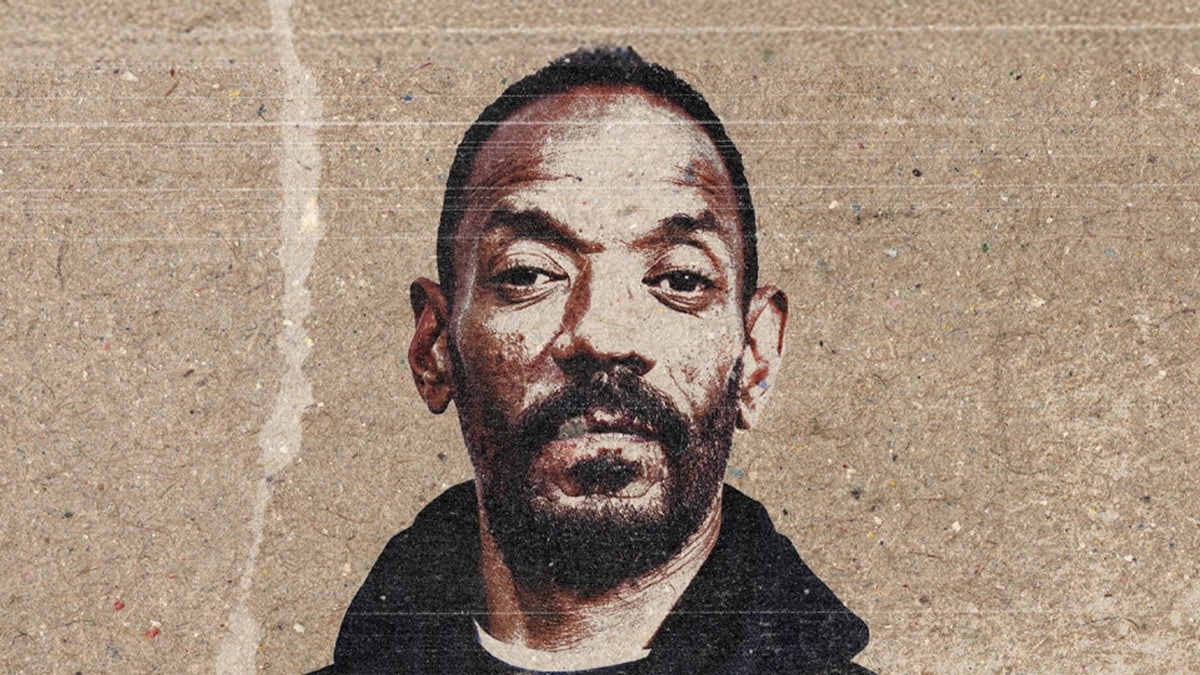
In an exclusive conversation with That Grape Juice, the former president of Island Records opens up about the journey behind his new documentary, explaining why now felt like the right moment to tell his story on screen. From leaving school at 16 to running one of the UK’s most influential labels, Beese reflects on legacy, sacrifice, and what success really costs.
With honesty and reflection, he discusses the emotional weight of looking back and why the film isn’t about ego but about offering hard-earned lessons, perspective, and truth to the next generation coming up behind him.
Read the interview below:
That Grape Juice: What inspired you to make this documentary now? Why do you think it was the right time?
Darcus Beese: My ego and narcissistic tendencies did not say, I want a video made of myself. It wasn’t anything like that. It was just like the book I wrote last year, ”Rebel, Rebel with a Cause.’ I was told I was being negligent and irresponsible not to tell my story. A few people who had read the book came to me wanting to write my story.
Darcus Beese: After the book, I had surreal moments where people asked if I wanted to shoot a documentary. You don’t really ask someone if they want to do it. You tell them what you want to do. If you ask me, do you want to make a documentary, of course I’d say yes, but it sounds a bit thirsty.
Darcus Beese: Then Nicky and Femi told me they were making the documentary, and Cecilia told me as well. They said, we’re going to make it, and we want to make it with you. I’d worked with them before. I invested in The Intent 2 when I was running Island Records, so I trusted them, especially with telling the Black experience. It’s unique. You’re not telling the story on behalf of, you’re telling it for.
Darcus Beese: I think Nicky and Femi made a Black documentary, but it’s not stuck there. It’s for everybody, but that’s what it’s made for.
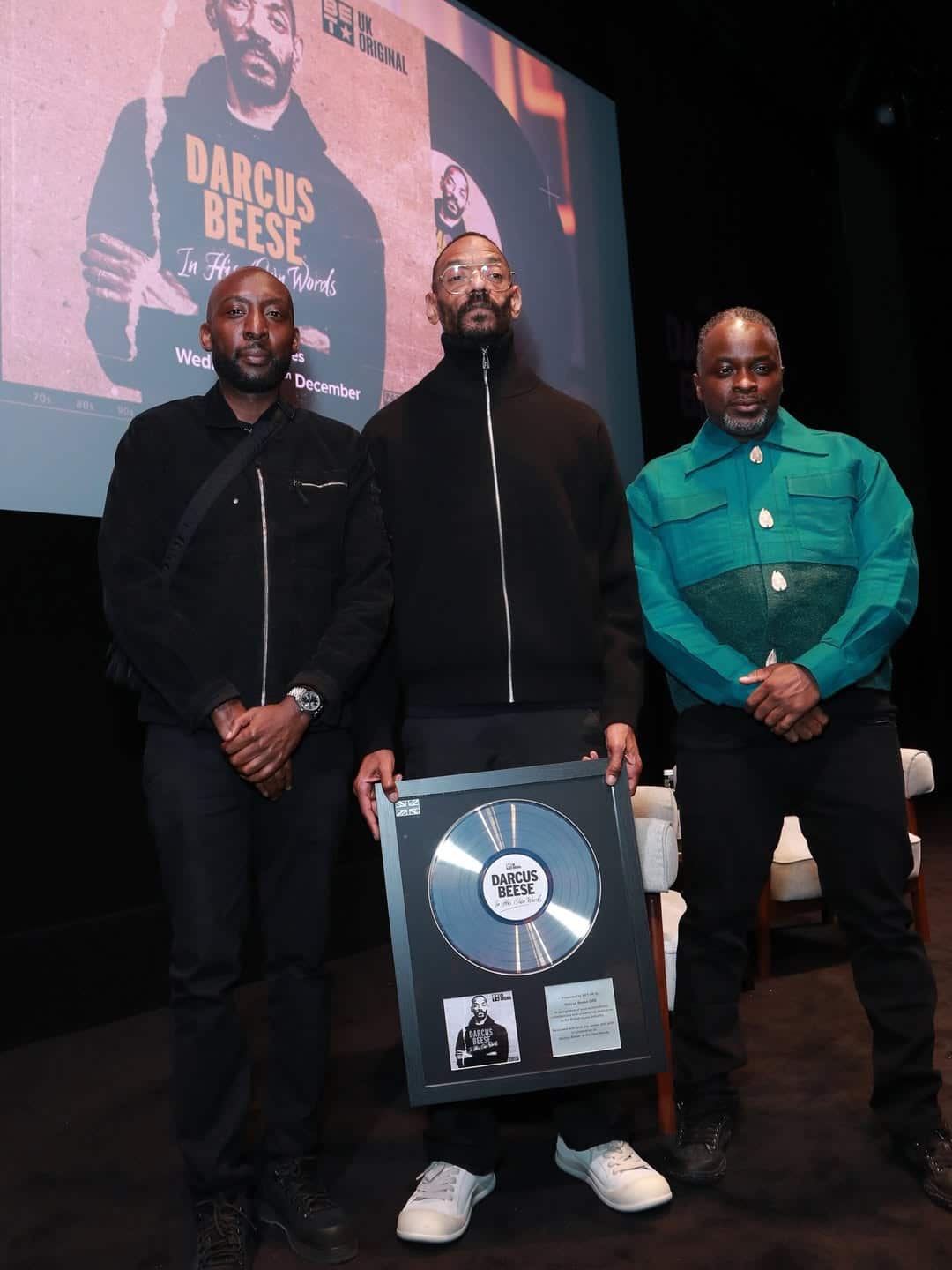
Darcus Beese: That really landed with me. I’ve been in a lot of rooms, good and bad. I’ve picked up awards and sold records, but nothing felt like the homecoming and validation of being in that room the other night. I never wanted to tell my story. Other people told me I should.
Darcus Beese: I had to trust the process. Nicky and Femi didn’t let me down. I didn’t ask to do it. I was told I should.
That Grape Juice: What was your favourite part of making this documentary? Were there any stories that you really enjoyed retelling?
Darcus Beese: I came up in the late 80s and 90s. Other people came up in the noughties; others are coming up now. The landscape is different in every era. The business evolves, and technology helps it evolve. The delivery system has changed.
Darcus Beese: We used to go to the record store to buy music. Then you’d go to the Apple Store to buy it. Now you go to Spotify to stream it. Technology changed the delivery system and shifted the emotional transaction of discovery, but it didn’t remove the emotion of music itself.
Darcus Beese: The delivery system changed, but the emotion shouldn’t. Great music should still feel special.
Darcus Beese: What I liked telling was the full story of what a career actually looks like from start to finish. If someone asks me how to get where I was, it started with sweeping the salon floor, washing hair, making tea. Turning up is 99 percent of the mission. Then you perform, then you earn trust.
Darcus Beese: I didn’t even want to learn how to cut hair. It was a stepping stone and a means to an end. If I swept the floor, I swept it amazingly. If I made tea, it had to be amazing. If I washed someone’s hair, they got the best massage and I got tipped.
Darcus Beese: When I turned up early and delivered, they gave me the keys to open the salon in the morning, turn the heating on, and get the place ready. That’s how responsibility and accountability start, and how you get socialised early in communication.
Darcus Beese: I was working in a white salon on Kensington Church Street with middle to upper class clients, so I had to learn how to communicate outside my social circle. Everybody has taste. Everybody has an idea of what they like or don’t like. That’s the music business. It’s about taste, but if you don’t have the social skill set, you can’t really start from the bottom properly.
Darcus Beese: People sometimes get it backwards. They worry about trying to have a hit instead of worrying about where they’ll be in five years. How can you have a hit without trying to be around for five years?
Darcus Beese: My documentary isn’t about one anecdote. I left school at 16, went straight into a salon, and worked my way through the music business. I never ran around counting years. The legacy shows in the work, so you don’t have to talk.
Darcus Beese: If you want to be a leader, what are you prepared to give up? There are only so many seats. There are sacrifices. A lot of super successful people aren’t happy because they’re chasing something, thinking success will take care of everything. It doesn’t.
Darcus Beese: The message is be careful what you wish for. Measure success properly. Have a life beyond music. Rihanna has life beyond records. She’s bound by Fenty, she’s bound by her kids. When the music comes, it means more.
Darcus Beese: If you really want all of this, this is where you can end up, in a non-sustainable place 30 years later. So maybe use me as the hamster in the lab. I’m the lab rat people don’t need to repeat.
That Grape Juice: You spoke about balancing culture and economics in the industry, have you ever signed an artist mainly for cultural reasons, even when the economics didn’t quite add up?
Darcus Beese: I did early on because I didn’t understand my responsibility. I thought it was about my taste and my people. Then I was told in certain terms that wasn’t the priority. The priority is you turn up, you break artists, you grow the roster year on year, and you sell enough records to hit the company number at the end of the year.
Darcus Beese: In the beginning I signed an artist like Silent Eclipse MCD. If you knew him, he was probably the most radical rapper ever signed in the UK in terms of what he was saying. That was the mission I was on, signing Black artists telling Black stories.
Darcus Beese: But those artists are selling out the Jazz Cafe or the Subterrania, while your peers with rock and pop bands are selling out Wembley Arena and Brixton Academy. And I’m there with my Jazz Cafe artist.
Darcus Beese: So I realised I needed to sign acts that enabled the record company to keep the lights on. My job as an A&R is to break artists. Once I became successful and had repeat success, once you wake up and you’ve got Amy on your roster, seven number ones with Sugababes, and Taio globally going around the world, then you can say, I can sign George the Poet. I can back Alex Bowen, and start a Black department, and sign artists in the way Island did historically.
Darcus Beese: You can only feel safe curating culture, from a major corporate point of view, if you’ve broken new acts and met the bottom line. Then I can be unapologetically Black. And at that point, what are you going to do, fire me?
That Grape Juice: So you’ve mentioned some names from your incredible roster. Who have been some of your favourite artists to work with?
Darcus Beese: They’re all amazing. When you start a process, you believe everything you sign and everyone you work with is amazing. The law of averages and the landscape tell you not everything holds up.
Darcus Beese: There’s an artist called Me One. When I come home and listen to the stuff I’ve been involved with over the years, that’s one of the best. I know by the Spotify plays how much I love it. And that album sold nothing. It’s easy to focus on the highlights.
Darcus Beese: I’m working with Jessie J and John Newman at the moment, and what they’re doing is amazing. Roses Gabor is someone you just have to hear. When you can’t describe something, you have to hear it. That kind of music is why I get up in the morning, past having that generic hit.
Darcus Beese: Sometimes it’s about the smallest things, not the biggest. If the biggest things happen, how does it happen? I’m as proud of Big Shaq as I am of Amy. I like people that step out. It’s a hard thing to do.
Darcus Beese: We take a lot of credit for people’s success, but anyone who’s going to be successful is usually going to be successful wherever they end up. Chris Martin was going to be Coldplay, whatever label he signed to. Sometimes people take too much credit.

That Grape Juice: What do you hope people will take away from when they watch this documentary?
Darcus Beese: How to measure success. What a career actually looks like. The reason I got to CEO in America wasn’t because I wanted to. I had no ambition to be president of a record company. My ambition, as a Black man in this world, was just to be amazing at what I did. Not a Black A&R, just amazing.
Darcus Beese: Black music forms everything for me. Blues, Rock n’ Roll, Rock music, Dance music, Soul music. Once that penny dropped, I could run a record label with rock bands and have dialogue with them because their heroes are Black heroes.
Darcus Beese: You can’t just be good. Work ethic versus talent, work ethic will get you further than talent alone. If you mix them together, 90 percent work ethic and 10 percent talent, you’re winning because your talent level rises through life experience and learning.
Darcus Beese: Success, for me, is longevity. Can we still be here in 20 or 30 years talking about a career?
Darcus Beese: Be careful what you wish for. Know what you need to succeed and not waste your time. I tell my daughter, find out sooner if you’re not built for this. Don’t waste years trying to force it. Maybe get a job and make this your side hustle. Don’t think this is the thing if you’re not in that one percent.
Darcus Beese: Our culture informs the mass market. Where we start and where we end up are different places. We can’t just curate Black music. We have to curate what Black music curates, and collaborate in a way that grows the economics, not just the conversation.
**********